Lucknow, one long lunch.
Let the city introduce itself one course at a time: a small breakfast, an afternoon with chikankari, and a dinner that deserves the whole evening.
Some cities ask you to keep moving. Lucknow makes a persuasive case for sitting down. Give its food a place at the centre of the trip, with the same care you would give a remarkable hotel.
The pleasure is in the sequence. Start lightly, take a walk, leave room for a long meal. Two days allow the old city and a more composed dining room to belong to the same visit, without turning either into a hurried stop.
A city told through its table
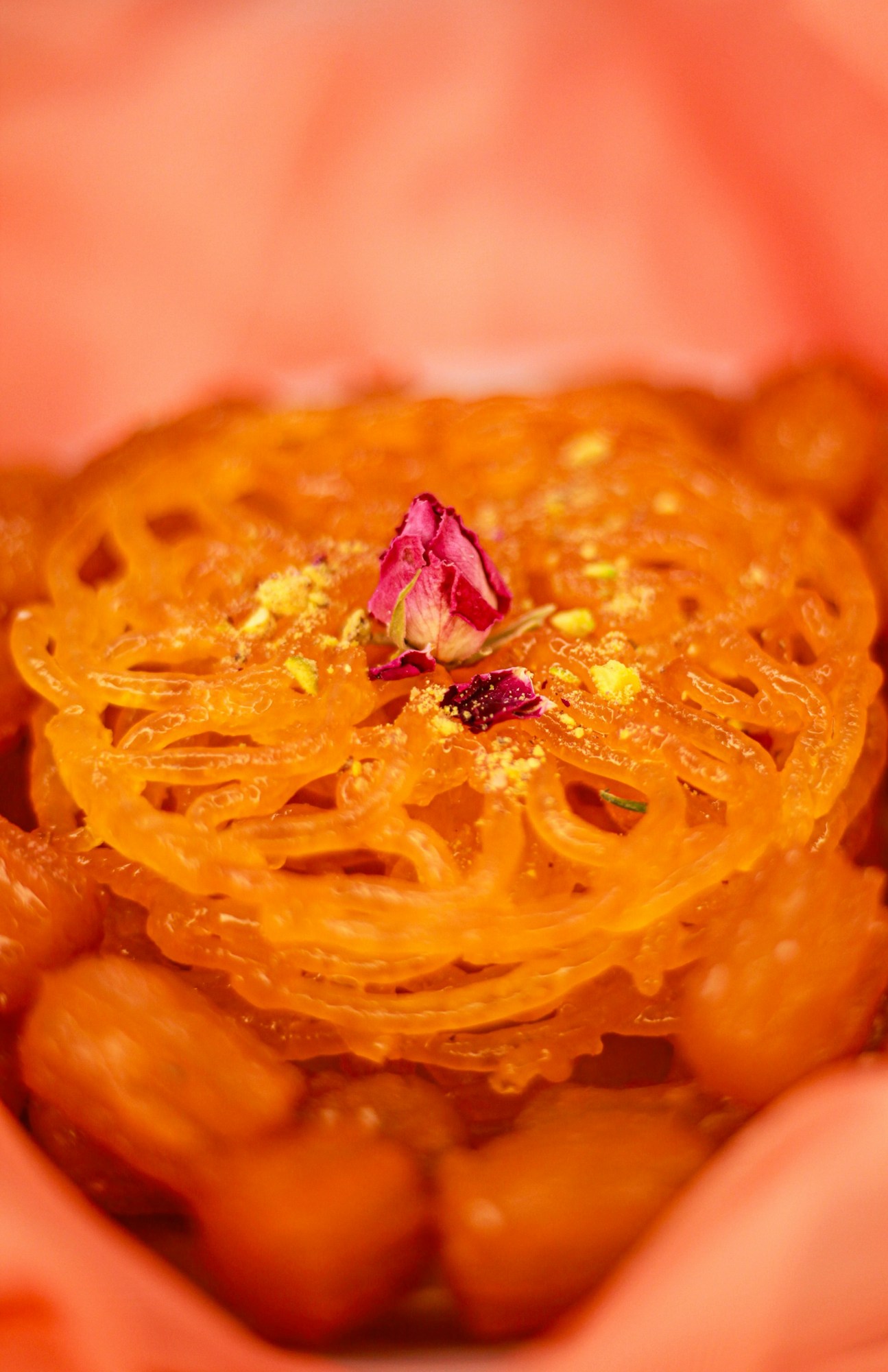
Lucknow’s food reflects the courtly traditions of Awadh as well as the everyday appetites of its markets. Incredible India’s city food guide points travellers towards Chowk and Aminabad, galouti kebabs and biryani, but also khasta kachori, aloo-chana and sweets. That range is a more interesting starting point than assuming an Awadhi meal must follow one fixed menu. [1]
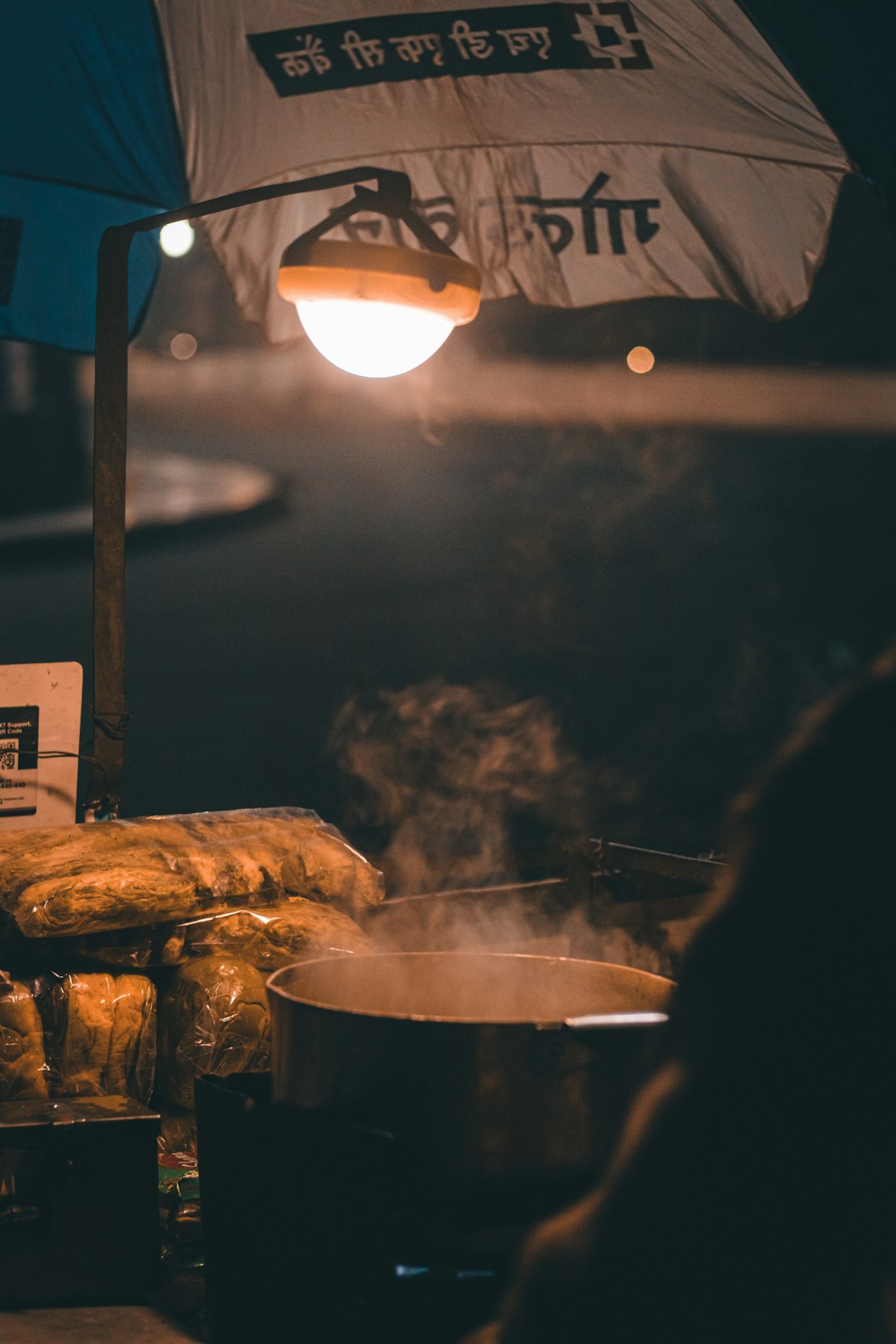
Choose your breakfast according to the meal you have planned later. If lunch is the occasion, make the morning a single tasting and a walk. If dinner is your reservation, leave the middle of the day open. Ask a local guide to help you understand what is being cooked, rather than simply lead you from one plate to another.
“A memorable meal deserves more than the space between two sightseeing stops.”
One reservation to build around
Oudhyana at Taj Mahal, Lucknow is a useful address for the considered shortlist. The hotel describes its focus as Awadhi and North Indian cooking, with slow-cooked dishes and kebabs central to the restaurant’s identity. Use the official restaurant page to enquire about a table and the current menu. This is a researched suggestion, rather than a first-hand restaurant review. [2]
Before reserving, ask the team to suggest a balanced order for your group. Agree which dishes to share, explain vegetarian preferences and allergies, and ask about ingredients rather than relying on a dish name. Leave a little room for dessert. The most valuable upgrade may be a quieter table and enough time to enjoy it.
A hotel in Gomti Nagar can make the evening comfortable, but the old-city walk is a separate part of the day. Ask your driver or hotel to plan the transfer and meeting point. A good itinerary keeps its margins; it does not promise a frictionless dash across town at the last minute.
Between meals, follow the thread
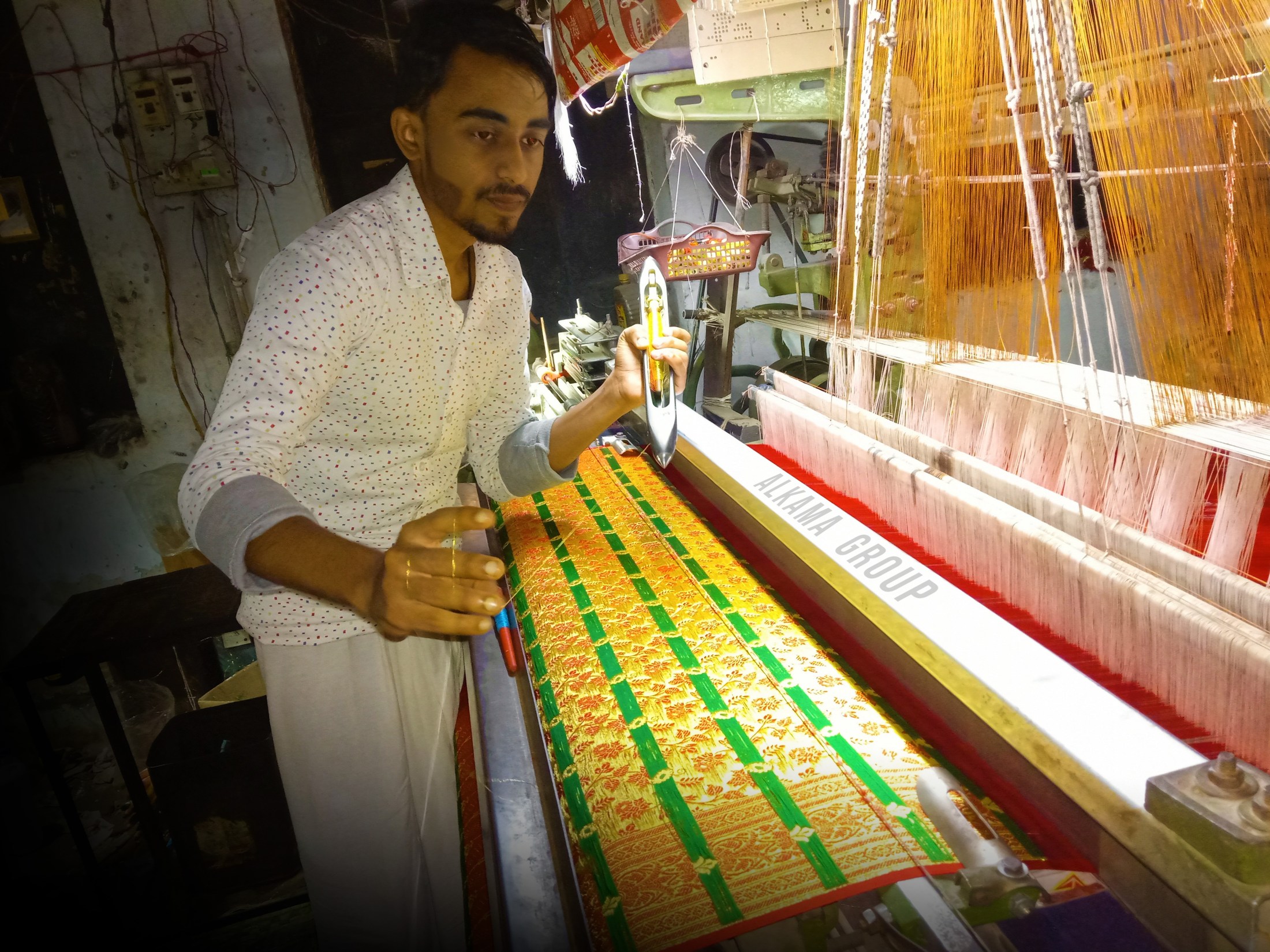
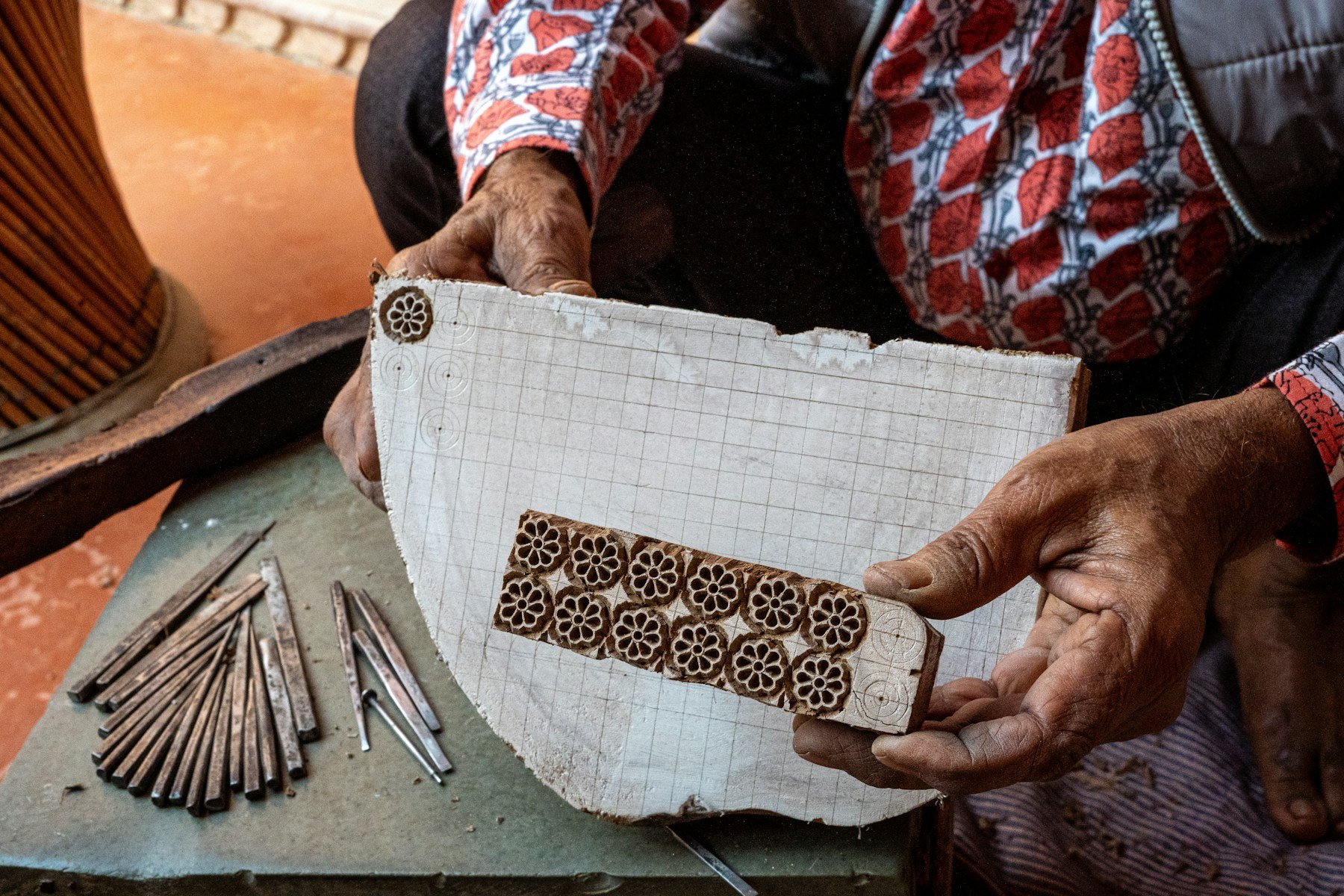
Chikankari adds another way into Lucknow. The city’s official tourism material places this embroidery alongside its food and architectural heritage. Set aside an afternoon to look closely at the work, ask how a piece was made and compare fabrics in natural light. An appointment with a knowledgeable seller is more useful than a shopping list of addresses. [3]
Ask who stitched the piece, which parts are hand-worked, what the base fabric is and how it should be cared for. A higher price alone is no proof of craftsmanship. Request an itemised bill and a clear lead time if alterations are involved. Choose something you will wear after the holiday.
End the day with the dinner you have kept space for. Leave the following morning for one missed flavour or a return to a favourite place. A food weekend becomes personal when there is room to change your mind.
The suggested itinerary
An editorial itinerary to shape around your dates, pace and reservations.
A short guided walk around Chowk or Aminabad with a small breakfast tasting. Keep the afternoon flexible and dinner light.
An arranged chikankari visit, time back at your stay, and a prebooked Awadhi meal at your chosen restaurant.
Return to a favourite stop if time permits. Ask about storage and travel time before taking sweets home.
Sources & travel notes
- Incredible India · Lucknow food guide ↗
- Taj Mahal, Lucknow · Oudhyana, official dining information ↗
- Uttar Pradesh State Tourism · Lucknow and its craft heritage ↗
Research checked 27 October 2026. Routes are editorial suggestions; hotel mentions are shortlist ideas, not first-hand reviews or confirmed availability. Check current schedules, prices and entry requirements before booking.